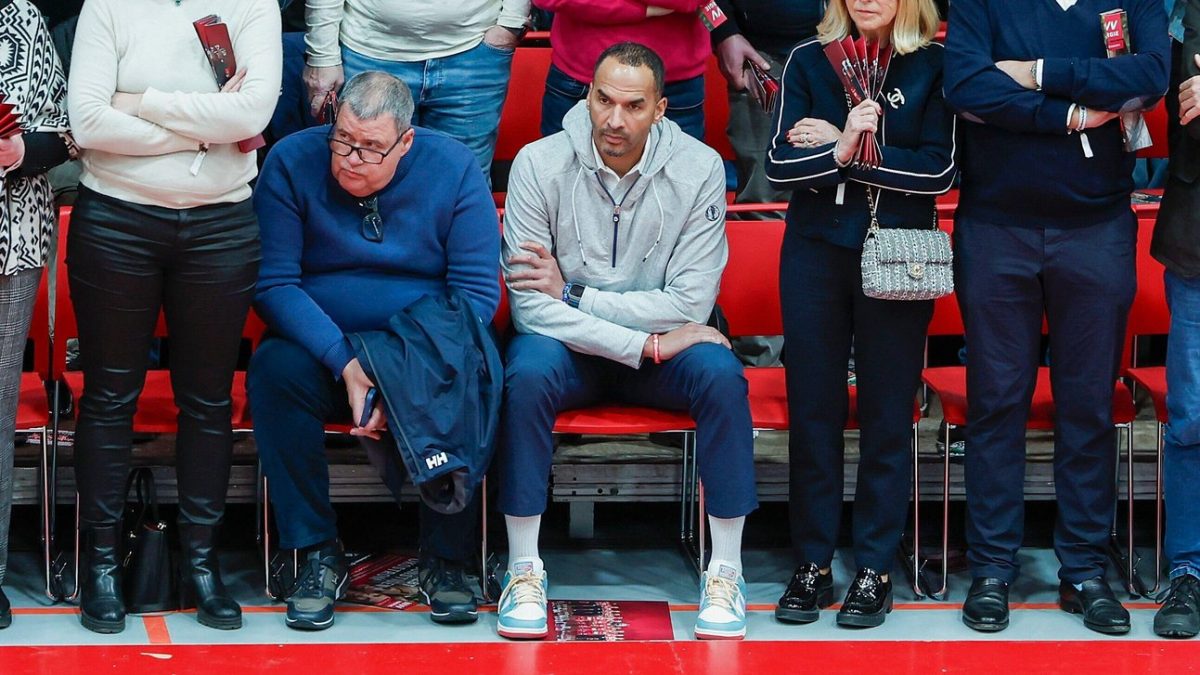
The Dallas Mavericks announced on Tuesday that they have relieved Nico Harrison of his duties as general manager and president of basketball operations —- ending his tenure with the franchise after four seasons.
Harrison, who was hired in 2021, guided the Mavericks to a surprising run to the 2024 NBA Finals. But his legacy will likely be dominated by the February 2025 blockbuster trade of Luka Dončić to the Los Angeles Lakers in exchange for Anthony Davis and draft compensation —-
A move met with fierce backlash from the Dallas fan base and the wider NBA world.
The Mavericks’ 3-8 start to the 2025-2026 season accelerated calls for change. Team governor Patrick Dumont issued a letter to fans saying, “When the results don’t meet expectations, it’s my responsibility to act.”
Interim leadership has been handed to assistant general managers Michael Finley and Matt Riccardi while a search is launched for a permanent replacement.
On the horizon lies the franchise’s most prized asset: Cooper Flagg, selected No.1 overall in June —- a move that represented a fresh start, but also added urgency to the organization’s direction.
For some stakeholders, the change marked a hopeful turning point. As Senior and longtime Mavericks fanatic Topher Carson put it:
“I’m really happy that this happened —– it moves the Mavericks in the right direction for the future with Cooper Flagg.”
Why this move matters
Harrison’s early years brought momentum: playoff appearances and hope. But the Dončić trade rattled that optimism. Many fans viewed it as mis-aligned with the franchise’s identity and timeline. The subsequent injuries and under-performance only deepened concerns.
By parting ways with Harrison, the Mavericks leadership signals that the era tied to Dončić and immediate contention is over —- and a new phase, centered on Flagg , rebuilding, and fan trust, begins. Many believe the next GM will need a blend of good talent evaluation, player development, and the ability to rebuild credibility with a frustrated fan base.
What’s Next?
The Mavs are now seeking someone to chart a clear path forward, stabilizing today while building for tomorrow. Will the team trade veterans to acquire more young assets? Will they deepen their bench, adjust team culture, improve analytics? These questions loom large. For fans, the change offers a sign that the organization heard the frustration —- and is acting on it.