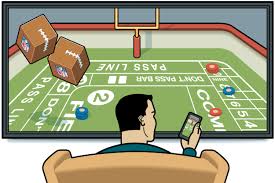
There was a time when gambling had clear boundaries.
You picked a team on Sunday, filled out a March Madness bracket, maybe placed a small wager with friends. It stayed inside sports, contained, predictable in its unpredictability.
Now, those boundaries are gone.
With the rise of platforms like Kalshi and Polymarket along with other modern betting apps, gambling has expanded far beyond the stadium. Today, people don’t just bet on games, they bet on elections, inflation, weather, celebrity scandals, and even international conflict.
In other words, the world itself has become a betting market or in today’s parlance, a prediction market.
And the stories coming out of it feel almost unreal.
When Sports Betting Becomes Normal
Among teenagers and young adults, sports gambling has quietly become part of sports culture itself. Odds and props are discussed almost as much as the games.
“ It doesn’t even feel like gambling anymore, it just feels like part of watching sports,” one anonymous student said.
That normalization is part of what makes modern betting different. Gambling is no longer separate from sports; for many viewers, it has become woven into the experience.
One senior, Pierce Parker, described the emotional side of betting on player props.
“Sports gambling is fun when you win, but when you bet $10 on SGA to drop higher than 28.5 points and if he doesn’t, it’s not ideal.”
In other words excitement when a prediction hits and frustration when it misses by a single play or point.
The Super Bowl Streaker That Became a Betting Legend
During Super Bowl LV, one of the most unforgettable moments had nothing to do with football.
Midway through the game, Yuri Andrade sprinted onto the field wearing only bright pink underwear, dodging security guards before eventually being tackled. The moment instantly went viral, with clips flooding social media within minutes.
But what turned the stunt into gambling folklore was what surfaced afterward.
Reports quickly spread that Andrade himself, and people connected to him, had placed bets on a streaker appearing during the Super Bowl before he ran onto the field. According to multiple reports, Andrade allegedly claimed the wagers totaled hundreds of thousands of dollars and could have resulted in a massive payout.
Sportsbooks later disputed parts of the story, saying many streaker-related bets had low limits or were voided once suspicious activity appeared. Still, the damage was done. The incident became one of the most talked-about examples of how modern gambling culture can blur the line between predicting an event and creating one.
What made the story so captivating wasn’t just the stunt itself, it was the idea behind it.
In a gambling landscape where nearly everything can become a market, the Super Bowl streaker wasn’t just a viral interruption.
He was allegedly betting on himself to become the outcome.
When Betting Crosses Into the Real World
The most serious example of prediction markets pushing beyond sports involves U.S Army Special Forces master sergeant Gannon Ken Van Dyke.
According to federal prosecutors, Van Dyke allegedly uses non-public information connected to a sensitive U.S military operation involving Venezuela to place wagers tied to political outcomes.
He is accused of placing bets before key information became public, profiting significantly from those positions, and attempting to conceal financial gains afterward. Prosecutors charged him with offenses including fraud and misuse of sensitive government information.
The case transformed the conversation around prediction markets. This was no longer just gambling on sports or entertainment, it was betting tied to real geopolitical events and classified information.
“It’s way more normal than adults think. You hear about it all the time during sports season,” another anonymous student r said.
But as gambling expands into more areas of life, questions surrounding ethics and responsibility continue to grow.
The Hidden Cost of Easy Access
Modern gambling is built for speed. A phone, a few taps, and a bet is placed. Promotions and notifications make betting feel casual, almost harmless.
But losses can pile up quietly, especially for younger users who may underestimate how quickly small wagers become larger habits.
“It’s easy to think you’re just having fun, but people don’t realize how quickly it adds up,” one anonymous student admitted.
That may be the biggest shift of all: gambling no longer feels distant or rare. It feels immediate, constant, and deeply connected to modern sports culture.
And as betting continues to spread from stadiums to politics to global events, one question remains:
At what point does the game stop being just a game?