

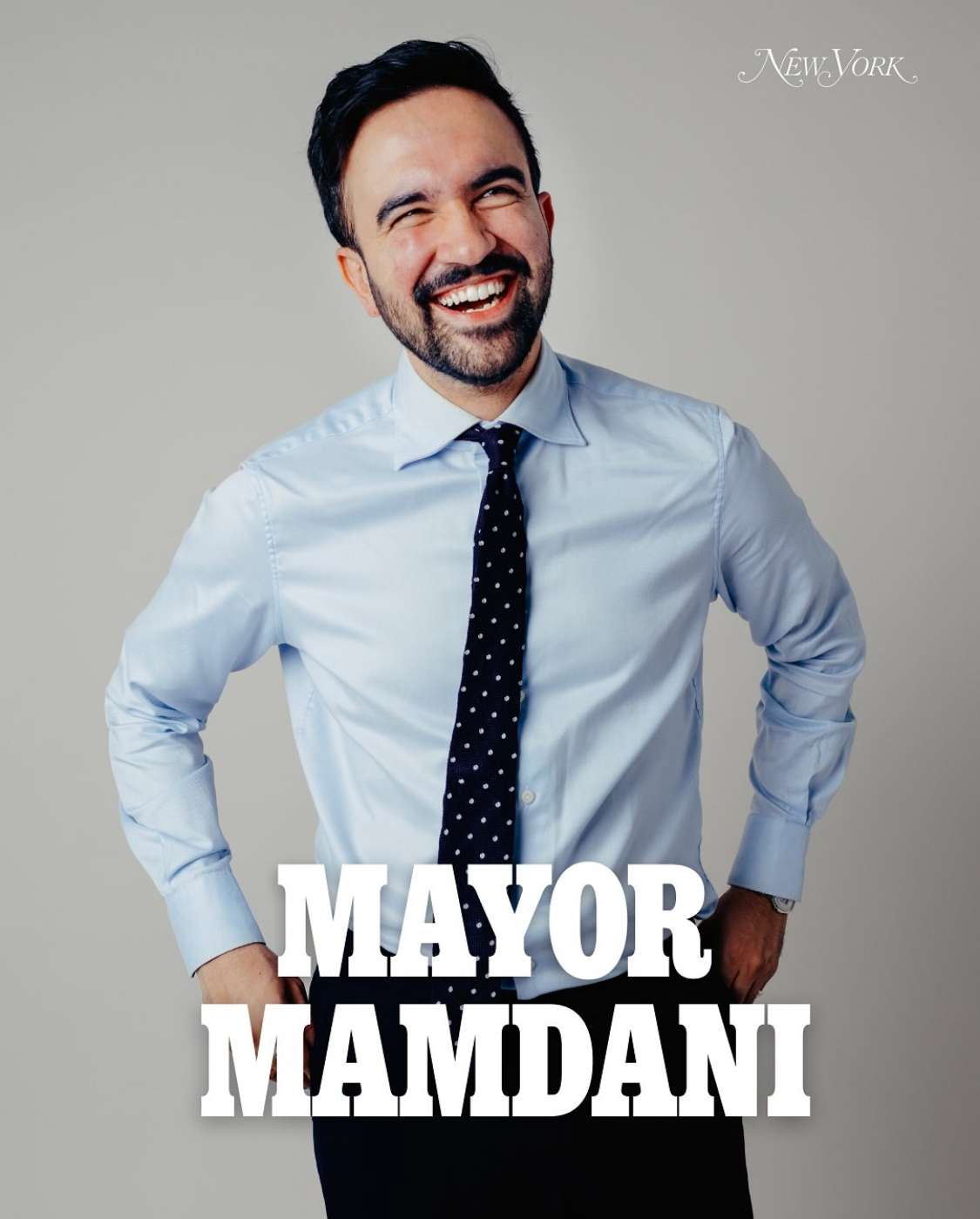
On November 4, 2025, New Yorkers cast more than 2.2 million ballots, the largest turnout for a mayoral contest in over half a century, and elected a new leader: Zohran Mamdani, a 34-year-old democratic socialist and state assembly member from Queens, won 50.78 % of the vote, defeating former governor Andrew Cuomo (running as an independent) and Republican Curtis Sliwa.
Mamdani’s victory marks a number of firsts: when inaugurated, he will become the first Muslim mayor of New York City, the first of South Asian heritage, and the youngest mayor in more than a century. Fortune+1
With his win, supporters and many political observers see more than a local shift, they believe it could signal a broader realignment in American urban politics, and test whether progressive, working-class–centered platforms can hold power in a major global city.
What Won for Mamdani: Affordability, Outreach, and Grassroots Energy
Mamdani’s campaign struck a chord with many New Yorkers by centering affordability and economic justice. His platform called for rent freezes on rent-stabilized units, expanded affordable housing, free or cheaper public transport (buses), universal childcare, city-owned grocery stores to counter high food costs, and tax increases on the wealthy and corporations to fund these efforts. CBS News+2The Guardian+2
Importantly, his outreach combined grassroots volunteering, multilingual communication, and targeted appeals to immigrant and working-class neighborhoods, a strategy that helped him secure overwhelming support in many of the city’s most diverse areas.
Voter turnout surged especially among younger and historically underrepresented communities, suggesting that his message resonated beyond traditional political bases.
Why This Matters: For NYC and for America
A redefinition of what “electable” looks like in major-city politics
Mamdani’s win challenges assumptions that moderate or centrist platforms are the only viable path to victory in large, diverse, and economically stratified cities. If he succeeds, it could embolden similar progressive candidates across the U.S. seeking to address inequality, housing, and cost-of-living concerns.
A test case for broader progressive governance under real pressure
With proposals like rent freezes, public-transport reforms, and expanded social services, Mamdani faces a deeply complex task, balancing ambitious social promises against tight budgets, bureaucratic inertia, and pushback from powerful stakeholders. His ability (or inability) to deliver could shape how voters nationwide view progressive governance in the coming years.
Representation and visibility for marginalized communities
As a Muslim, South Asian–heritage mayor, and a relative youth, Mamdani’s ascent underscores shifting demographics and political identities in urban America. His election may inspire increased political participation and candidacies from diverse, immigrant, and younger communities, potentially reshaping local and national political landscapes.
A signal to national parties about changing voter priorities
Mamdani’s victory may serve as a wake-up call to major parties: issues like housing affordability, cost-of-living, and economic justice may increasingly define what voters, especially in cities, care about. This could influence party strategies in upcoming elections, from local offices to Congress and beyond.
What Remains Uncertain: What to Watch
Delivering on ambitious promises will be hard: Many of Mamdani’s policies, such as rent freezes, expanded social services, and public-transport reform, require significant financial resources, political will, and cooperation from multiple levels of government.
Pushback from established interests: Real-estate stakeholders, corporate entities, state-level institutions, and opponents of higher taxes may resist parts of his agenda.
The test of governance under national scrutiny: As mayor of America’s most populous city and one of the world’s major global capitals, how Mamdani performs, successes and failures alike, will draw attention nationwide and may influence perceptions of progressive politics broadly.